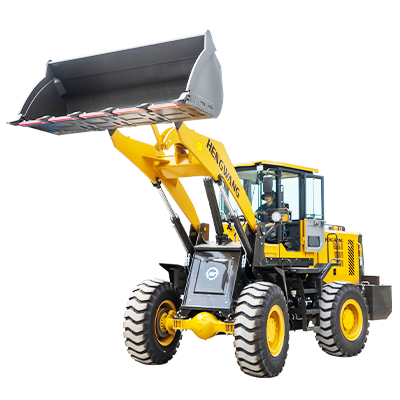
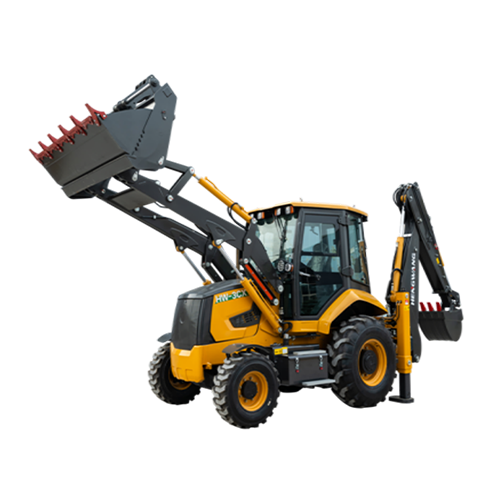
Steering delay in wheel excavators is a common operational issue in construction, affecting both productivity and safety. Here’s a concise 5-step troubleshooting approach to quickly identify and resolve the problem:
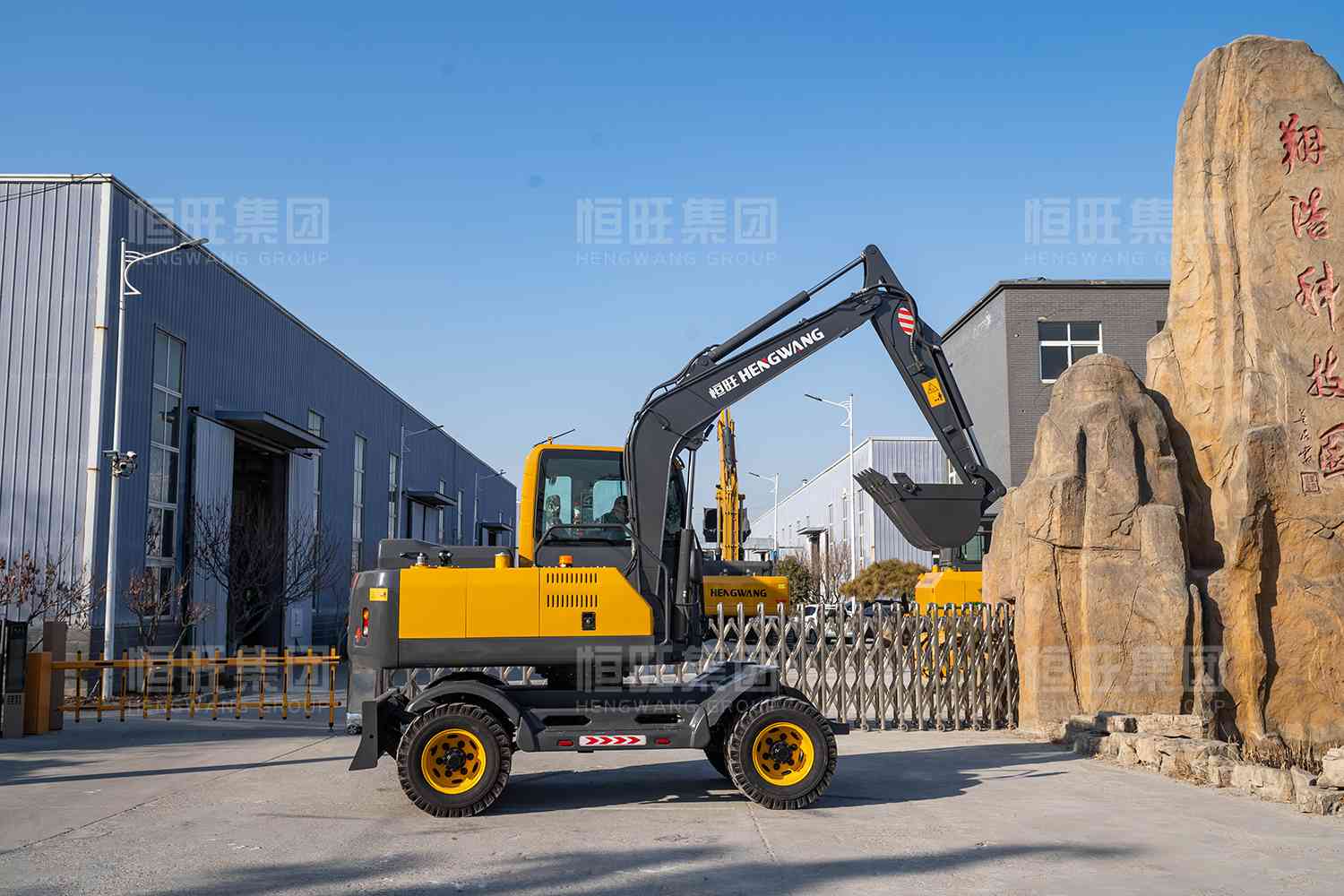
1. Inspect Hydraulic Oil for Wheel Excavators
Inadequate hydraulic oil levels cause insufficient supply to the pump, directly leading to steering lag. Refill oil to the specified mark as per the manual. Contaminated oil (cloudy or with debris) can wear seals and cause internal leaks—replace oil immediately and flush the entire system to restore cleanliness.
2. Check Steering Cylinders
Worn piston seals or cylinder walls in steering cylinders lead to internal oil leakage, weakening steering response. A quick test: swap cylinders with a functional wheel excavator. If steering improves, the original cylinder is faulty; disassemble to inspect seals and replace damaged parts.
3. Remove Air from the Hydraulic System
Air in the system causes "jerky" steering. Common causes include loose suction hoses, low oil levels, or worn seals. Start the engine and turn the wheel—bubbles in the tank confirm air intrusion. Tighten connections, refill oil, then turn the wheel fully left/right to purge air.
4. Verify External Leaks
External leaks (from loose fittings, cracked hoses, or aged seals) reduce system pressure, slowing steering. Regularly inspect joints and hoses; replace damaged components promptly to prevent oil loss and performance degradation.
5. Examine Core Components: Steering Gear & Swivel Joint
A worn central swivel joint can cause oil channel cross-leakage, affecting steering power. If prior checks are clear, test the steering motor: with the engine off, lock the wheel—if it responds immediately but feels loose, the steering gear needs repair or replacement.
Daily Maintenance Tips for Wheel Excavators
Following these steps resolves most steering delay issues. Routine maintenance prevents recurring problems; consult professionals for complex hydraulic faults to ensure optimal equipment performance.